231.938.4673
 Williamsburg, MI




Moving into assisted living often means deciding which belongings deserve space in a new home. The goal is not to bring everything. It is to pack the clothing, personal essentials, familiar items, and practical belongings that will support everyday comfort and routines.
Start with the things used most often. Then add personal touches that make the new space feel familiar. For furniture, appliances, medications, and anything that may be affected by community policies or room size, confirm the details before packing.
If you are preparing for a move to Autumn House Williamsburg, this assisted living packing list can help you organize what to bring and what to check before move-in.
What Should You Bring to Assisted Living?
A practical assisted living packing list usually includes:
- Everyday clothing and comfortable shoes
- Sleepwear and undergarments
- Seasonal outerwear
- Toiletries and grooming supplies
- Eyeglasses and other regularly used personal items
- Important identification and health information
- A current medication list
- Family photos and meaningful keepsakes
- Favorite blankets, books, and hobby materials
- A phone, tablet, chargers, or other useful electronics
- Selected furniture or room items after confirming space and community guidelines
The best packing decisions come from the resident’s actual routine. If an item is rarely used now, it may not need to take up limited storage space in the new residence.
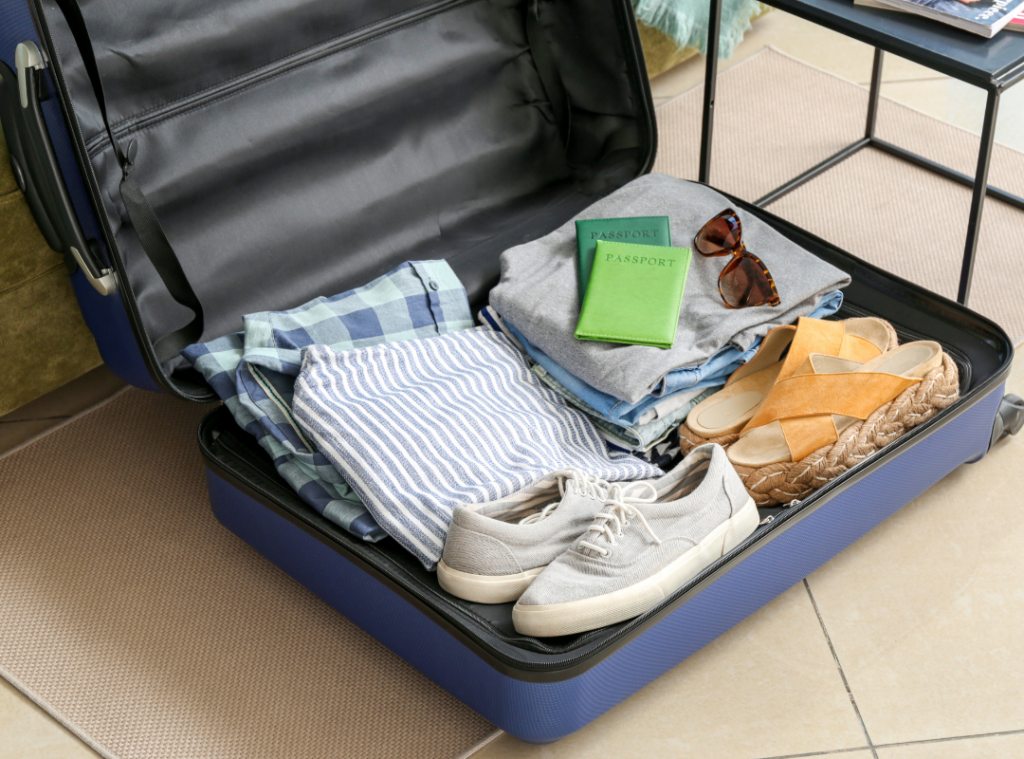
Clothing and Shoes to Pack
Choose clothing that reflects what the resident normally wears rather than packing an entire closet.
Useful basics may include:
- Comfortable everyday shirts and tops
- Pants, slacks, skirts, or dresses
- Undergarments and socks
- Pajamas and a robe
- Sweaters or light layers
- Comfortable, supportive shoes
- Slippers with secure soles
- A coat or jacket appropriate for the season
- A small number of nicer outfits for celebrations, outings, or special occasions
Michigan weather can change considerably throughout the year, so seasonal clothing can be rotated as needed instead of filling the room with every item at once.
How Much Clothing Should a Resident Bring?
There is no single number of outfits that works for everyone. A better approach is to consider the resident’s normal routine, available closet and drawer space, and how often laundry is done.
Autumn House Williamsburg provides laundry services, which may make it unnecessary to bring several weeks of everyday clothing at one time.
Prioritize clothing that:
- Fits comfortably
- Is easy to put on and remove
- Is worn regularly
- Works with the resident’s current activities and routines
- Can be layered as temperatures change
Clothing that no longer fits, is uncomfortable, or has not been worn in a long time can usually stay behind.
Personal Care and Everyday Essentials
Pack the personal-care items the resident uses regularly. Familiar products can also make the first days in a new environment feel more routine.
Depending on individual needs, that may include:
- Toothbrush, toothpaste, and dental-care supplies
- Hairbrush or comb
- Shampoo and preferred hair products
- Deodorant
- Skin-care products
- Shaving or grooming supplies
- Cosmetics
- Eyeglasses and cases
- Denture-care supplies
- Hearing-device accessories or chargers
- Other small personal items used every day
Avoid stocking large quantities until you know how much bathroom and storage space is available.
Medication is different from an ordinary toiletry. If a resident takes prescription or over-the-counter medications, keep an accurate medication list available and confirm how medications should be brought, stored, and managed before move-in. The CDC’s medication safety guidance recommends keeping a current list of medicines, vitamins, and supplements.
Autumn House Williamsburg offers medication management, so families should discuss the resident’s specific medications and move-in requirements directly with the community.
Personal Items That Make the New Space Feel Familiar
An assisted living residence should still feel personal.
A few carefully chosen belongings can help create that familiarity without overcrowding the room. Consider bringing:
- Framed family photographs
- Favorite artwork
- A familiar blanket or throw
- A favorite pillow, if appropriate
- Books or magazines
- Small keepsakes
- Religious or cultural items that are personally meaningful
- Knitting, puzzles, crafts, or other hobby materials
- A calendar or clock
- A few favorite decorative items
Focus on belongings that the resident enjoys seeing or using. A smaller selection of meaningful items will often add more comfort than several boxes of decorations with no practical place to go.
Autumn House also offers activities such as art classes, bingo, exercise and fitness programs, and bus trips to local destinations. Residents who regularly enjoy particular hobbies may want to bring a small amount of appropriate personal equipment or supplies.
Important Documents and Information to Keep Accessible
Important paperwork should not disappear into a moving box.
Keep essential information together in a folder, document case, or other clearly marked place. Depending on the resident’s circumstances and what the community requests, useful items may include:
- Photo identification
- Health insurance information
- Emergency contact information
- A current list of medications
- Contact details for healthcare providers
- Copies of relevant healthcare or legal documents when requested
- Other move-in paperwork provided by the community
Not every assisted living community requires the same documents. Ask which originals or copies are needed before move-in day so the family does not bring unnecessary sensitive paperwork or leave an important document behind.
Electronics and Practical Room Items
Residents who regularly use electronics may want to bring the devices that support their normal routine.
Common examples include:
- Mobile phone
- Phone charger
- Tablet or laptop
- Headphones
- E-reader
- Alarm clock
- Small radio or music device
- Television, if appropriate for the residence
Autumn House Williamsburg offers Wi-Fi, cable TV, and an in-room telephone option, so residents may not need to duplicate every communication or entertainment setup they had at home.
Before packing larger electronics, lamps, extension cords, or other electrical equipment, confirm what is permitted and what is already available.
Furniture and Larger Items: Measure Before You Pack
A favorite chair, small table, or familiar piece of furniture can make a new residence feel more like home, but larger belongings require more planning.
Start by finding out:
- What furniture is already provided
- The dimensions of the residence
- How much storage space is available
- Which personal furnishings are permitted
- How much clear space needs to remain for comfortable movement and care
The Autumn House frequently asked questions explain that residents may bring some furnishings, but sufficient space must remain for caregivers to move and provide assistance.
Measure larger pieces before moving them. A favorite chair may be worth bringing. An oversized cabinet that makes it difficult to move through the room may not be.
This is also a good time to choose function over quantity. Bring the pieces the resident will actually use rather than trying to recreate every room from the previous home.
Items to Confirm With the Assisted Living Community First
Some belongings should not go into a moving box until the community has confirmed its requirements.
Ask about:
- Prescription and over-the-counter medications
- Medication organizers and storage
- Large furniture
- Lamps and electrical items
- Small appliances
- Extension cords or power strips
- Area rugs
- Mobility equipment
- Valuable jewelry or other high-value belongings
- Pets and pet supplies
- Items already supplied in the residence
- Any belongings restricted for safety or care reasons
Policies and room arrangements can vary. Confirming these details beforehand can prevent families from transporting something that cannot be used or discovering that an important item was left behind.
If you are still working through questions about care, medication management, meals, safety, transportation, or daily routines, the Questions to Ask Assisted Living Facilities Before Your Visit guide can help you organize those conversations.
Families who want to better understand the care options available at Autumn House can also review the levels of care at Autumn House Williamsburg.
A Simple Assisted Living Packing List
Use this condensed list as a final check before move-in.
Clothing
- Everyday outfits
- Undergarments
- Socks
- Pajamas
- Robe
- Sweaters or layers
- Comfortable shoes
- Slippers with secure soles
- Seasonal coat or jacket
- A few special-occasion outfits
Personal Care
- Toothbrush and toothpaste
- Hair-care products
- Grooming supplies
- Deodorant
- Skin-care products
- Cosmetics, if used
- Eyeglasses
- Denture supplies
- Hearing-device accessories
- Other daily personal necessities
Documents and Information
- Photo identification
- Insurance information
- Emergency contacts
- Medication list
- Healthcare-provider contact information
- Community-requested paperwork
- Relevant healthcare or legal documents, if requested
Comfort and Personal Items
- Family photographs
- Favorite blanket
- Artwork
- Books
- Keepsakes
- Hobby materials
- Calendar or clock
- A few meaningful decorations
Electronics
- Mobile phone
- Chargers
- Tablet or laptop
- Headphones
- E-reader
- Other regularly used devices
Furniture and Room Items
- Favorite chair, if appropriate
- Small table or other useful furniture
- Bedding, if needed
- Storage items that fit the available space
- Other furnishings approved by the community
Confirm Before Bringing
- Medications
- Large furniture
- Appliances
- Electrical equipment
- Rugs
- Mobility equipment
- Valuables
- Pets
- Anything that may already be provided
- Anything that could be restricted by community policy
Prepare for Move-In With the Essentials That Matter
Knowing what to bring to assisted living is less about creating the longest possible packing list and more about choosing belongings that support daily life.
Start with essentials. Add familiar items that make the new residence feel personal. Keep important information accessible, and confirm larger or policy-sensitive belongings before bringing them.
If you are preparing for a move to Autumn House Williamsburg and have questions about what to pack, contact Autumn House Williamsburg or call Autumn House at 231-938-4673 to confirm move-in details before packing.
Frequently Asked Questions
What should you pack when moving into assisted living?
Start with clothing, personal-care items, important documents, regularly used electronics, and a small selection of meaningful belongings. Add furniture or larger room items only after confirming the available space and community guidelines.
The most useful packing list reflects the resident’s daily routine rather than trying to move an entire household.
Which personal items can make a new room feel familiar?
Family photographs, favorite artwork, a familiar blanket, books, keepsakes, hobby supplies, and a few meaningful decorations can help personalize the space.
Choose items the resident genuinely enjoys rather than filling the room with belongings that will rarely be used.
What documents should be brought on move-in day?
Keep identification, insurance information, emergency contacts, a current medication list, and any paperwork specifically requested by the community accessible.
Requirements vary, so confirm which documents are needed and whether originals or copies should be provided.
How much clothing should a resident bring?
Bring enough clothing to comfortably cover the resident’s normal routine between laundry days while fitting the available closet and drawer space.
Prioritize comfortable, frequently worn clothing. Seasonal items can be rotated instead of storing an entire year’s wardrobe in the residence.
What items should families confirm with the community first?
Confirm medications, furniture, appliances, electrical equipment, rugs, mobility equipment, valuables, pets, and anything that might already be provided or subject to a community policy.
When in doubt, asking before move-in is easier than transporting an item that cannot be used.
My Dad is 93 and a half years old! He is going on three years in independent residency at Autumn House! The support team are wonderful helping him adjust to his aging changes. They are so friendly and conscientious! My Dad is so pleased with their offer of fun and entertaining things to participate in!
Family Member of a Resident